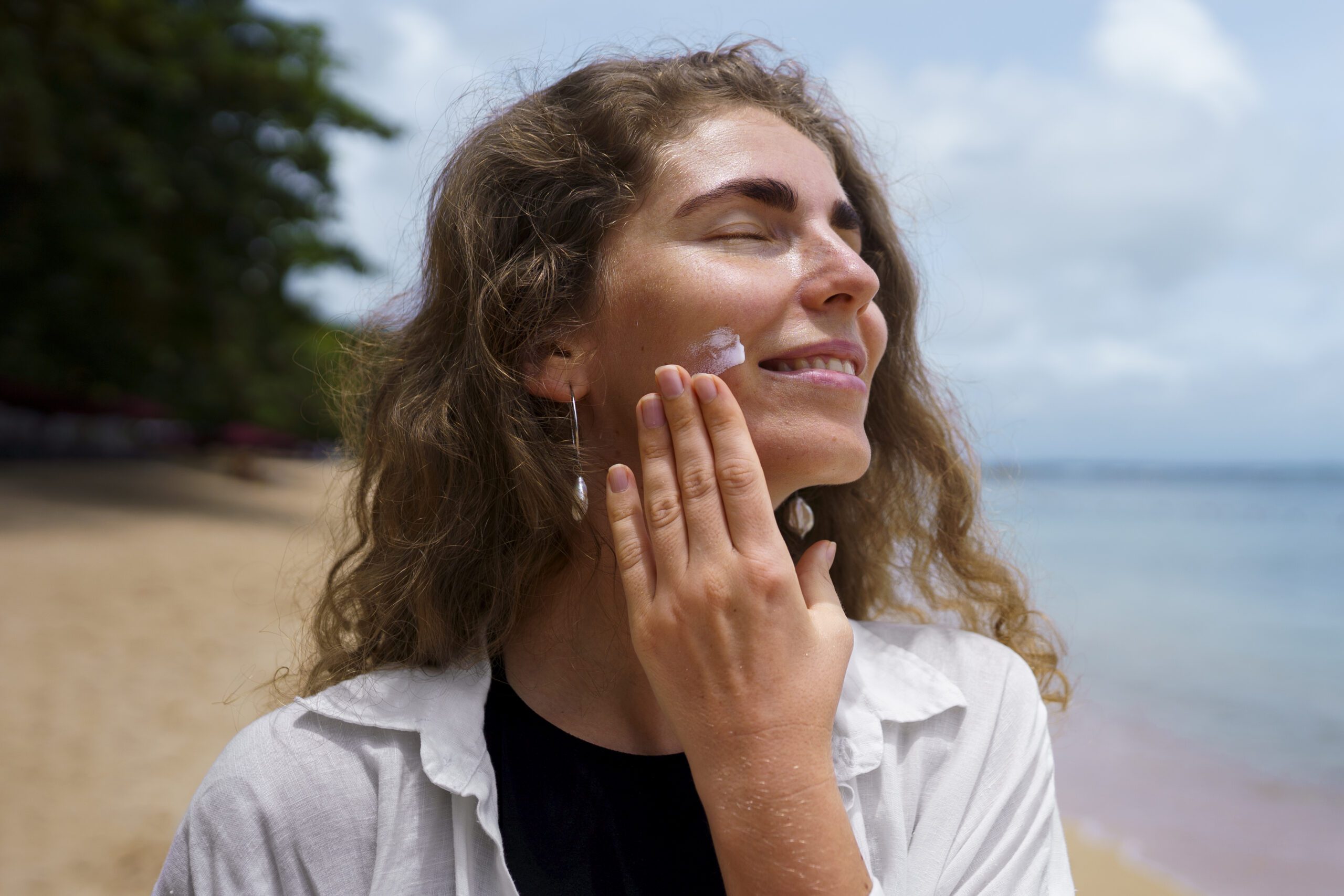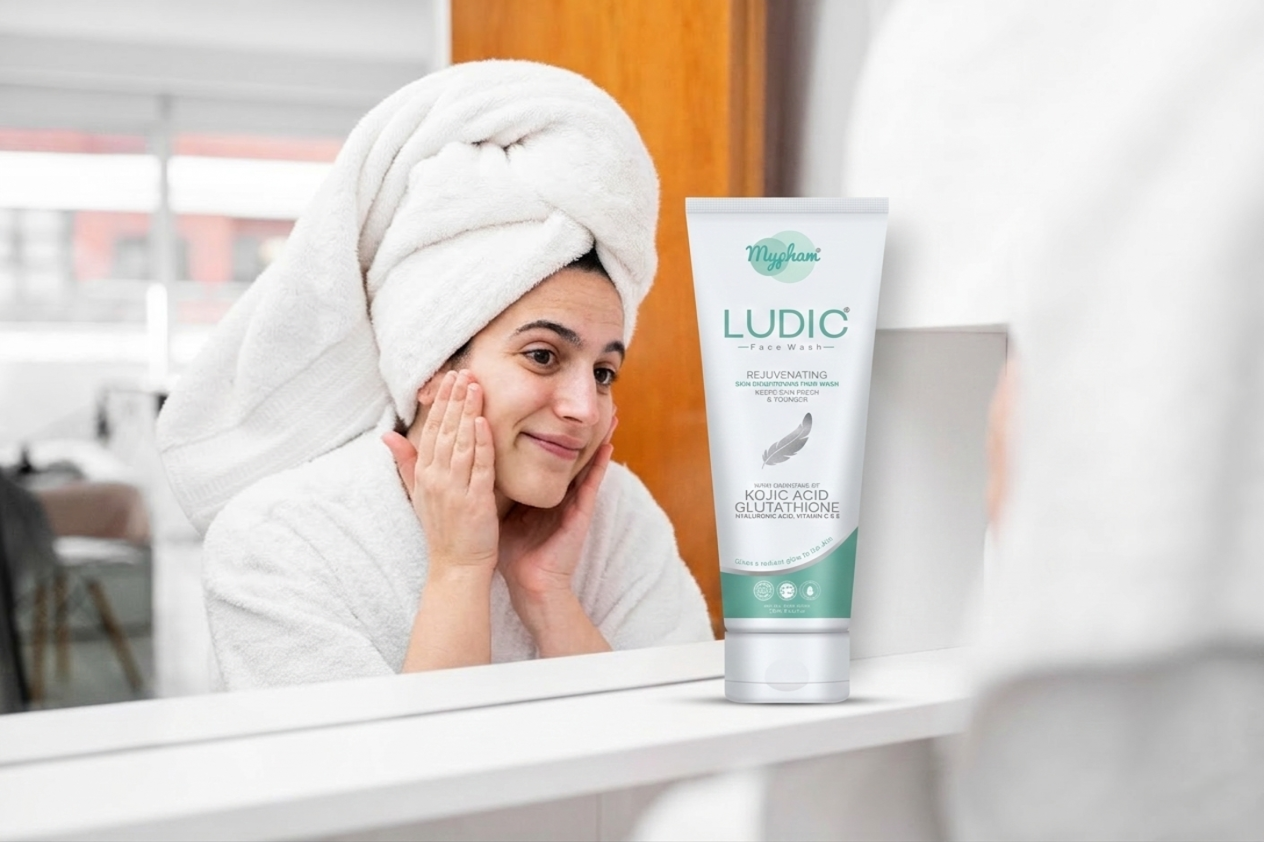
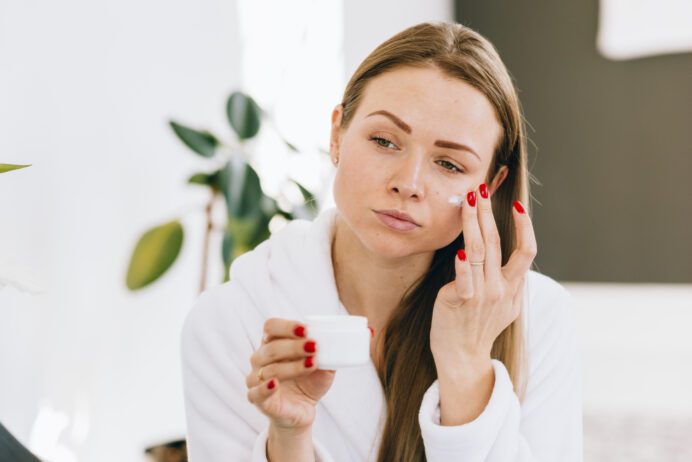
Oily skin can feel frustrating when shine appears within hours, pores look enlarged, and breakouts develop unexpectedly. However, oily skin is not a problem if you understand how to hydrate and balance it correctly. The secret is choosing the best face cream for oily skin that controls excess oil without stripping natural moisture.
Many people mistakenly avoid moisturizer because they believe it increases oiliness, but dermatologists clearly explain that dehydration actually triggers more sebum production. When your skin lacks water, it produces extra oil to compensate. This is why selecting the right best face cream for oily skin is essential for maintaining a balanced, matte, and healthy complexion. Starting your blog with this introduction helps address the reader’s pain points immediately and naturally places the primary keyword within the first 100 words, which strengthens SEO performance.
Why the Right Face Cream Matters
Selecting the wrong moisturizer can worsen oily skin by clogging pores and increasing shine throughout the day. Heavy creams may create a greasy layer that traps dirt and bacteria, leading to breakouts and irritation. On the other hand, the best face cream for oily skin supports the skin barrier, maintains hydration levels, and gradually reduces excessive sebum production.
A dermatologist-recommended formula works by balancing water content without adding heavy oils. When hydration and oil control function together, your skin appears smoother, pores look minimized, and acne flare-ups reduce over time. Long-term use of a lightweight and non-greasy cream improves overall texture and keeps the complexion fresh, refined, and naturally matte.
How to Choose the Best Face Cream
Dermatologists advise focusing on ingredients, texture, and formulation instead of relying only on product claims or packaging. Oily skin needs hydration that feels breathable and light while preventing clogged pores and excess shine.
Oil-Free and Non-Comedogenic Formula
Oil-free and non-comedogenic products are designed specifically to avoid pore blockage, which is one of the leading causes of acne and blackheads. When pores remain unclogged, skin breathes properly and excessive oil buildup reduces naturally. Choosing this type of formulation ensures your moisturizer hydrates effectively without creating heaviness or triggering breakouts.
Gel or Water-Based Texture
Gel-based and water-based moisturizers are ideal for oily skin because they absorb quickly without leaving a sticky or thick residue behind. These lightweight textures deliver hydration efficiently while maintaining a soft matte finish. They are especially beneficial in hot and humid climates where excess oil production tends to increase significantly.
Types of Face Cream for Oily Skin
Different oily skin types have different concerns, including acne, enlarged pores, or midday shine. Understanding your primary skin issue helps you select the most effective version of the best face cream for oily skin for daily use.
Lightweight Gel Cream
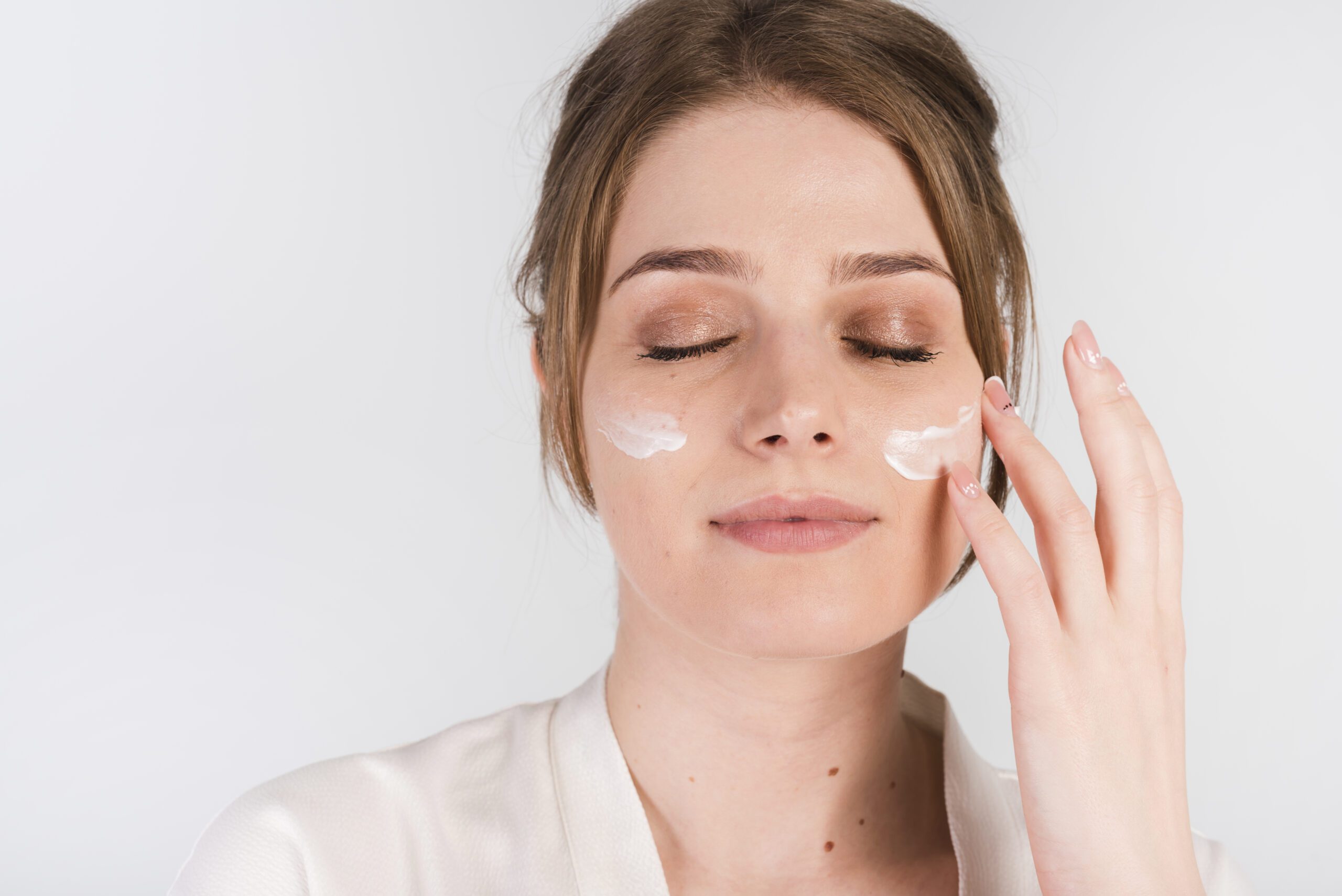
A lightweight gel cream is one of the most recommended options for oily skin because it hydrates without suffocating pores. The refreshing texture spreads evenly and absorbs instantly into the skin, making it suitable for daily use under sunscreen or makeup. It does not create a heavy layer, which helps prevent pore congestion.
This type of best face cream for oily skin maintains proper water balance while helping regulate oil production gradually. With consistent use, it enhances smoothness, reduces surface shine, and keeps the skin looking fresh and balanced throughout the day.
Try our product for best results:- Mynest Sunscreen Gel with Vitamin C and E | Best Suncreen Protection Gel with Ultra – Light Formula
Matte Finish Cream
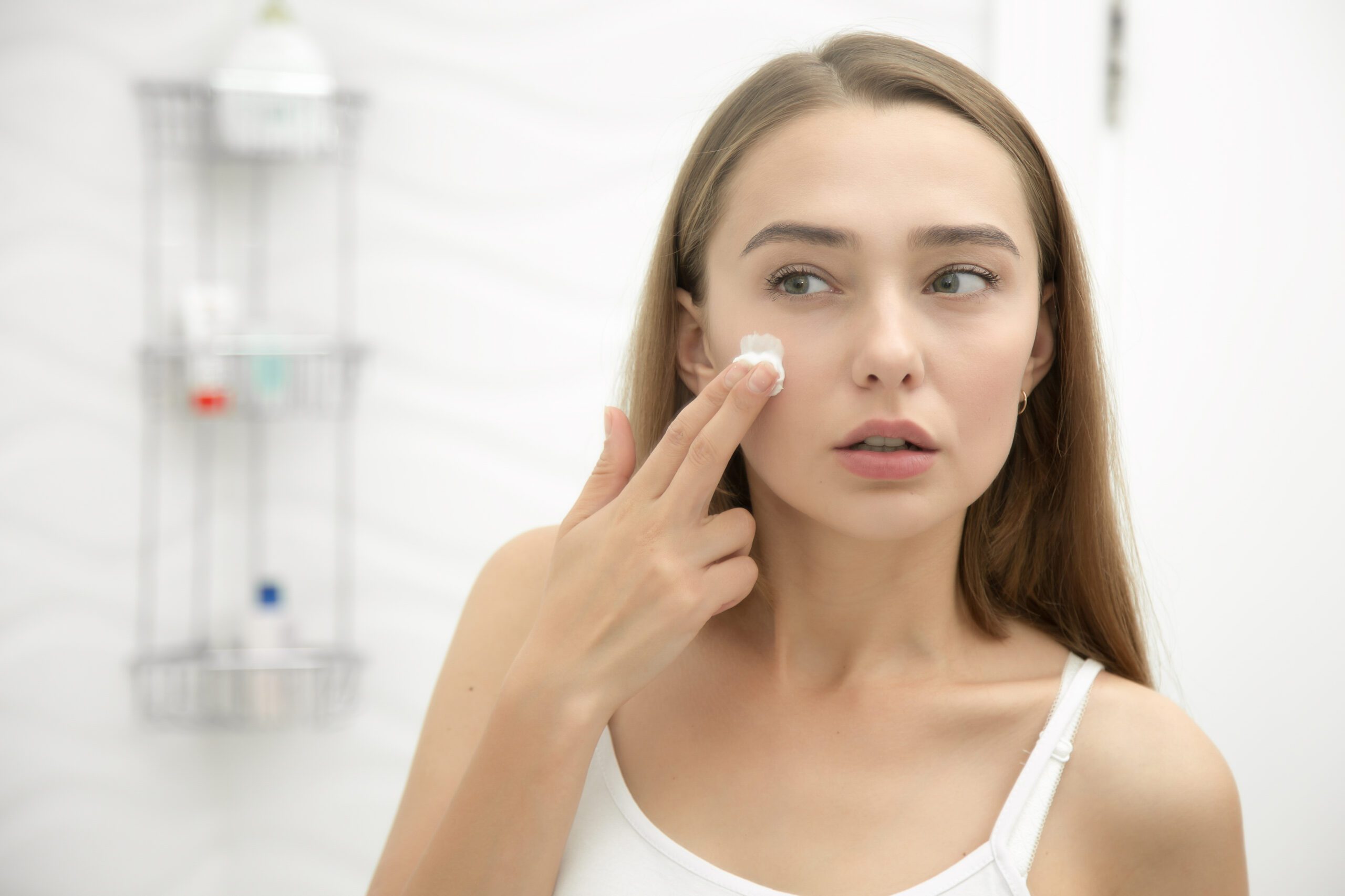
A matte finish cream is specially formulated to regulate sebum production and reduce shine for extended hours. It provides essential hydration while delivering a smooth and non-greasy appearance that makes the skin look clean, polished, and refined. This type of formulation is helpful for individuals who experience excessive oil buildup during the afternoon.
Using a matte version of the best face cream for oily skin can minimize the appearance of enlarged pores and improve makeup longevity by creating a balanced and even base. It helps maintain a controlled and shine-free complexion without drying out the skin barrier.
Key Ingredients to Look For
Understanding ingredients allows you to make informed skincare decisions instead of depending only on brand marketing. Certain components are scientifically known to support oily and acne-prone skin while maintaining proper hydration.
Hyaluronic Acid
Hyaluronic acid provides deep hydration without increasing oiliness or creating heaviness on the skin. It attracts and retains moisture, preventing dehydration that can trigger excess oil production. This ingredient keeps the skin plump, smooth, and comfortable without a greasy finish.
Niacinamide
Niacinamide helps regulate sebum production and strengthens the skin barrier over time. It reduces redness, refines uneven texture, and minimizes the appearance of enlarged pores. With regular use, it contributes to a clearer and more balanced complexion.
Salicylic Acid
Salicylic acid penetrates inside pores and gently removes excess oil and impurities. It helps reduce blackheads, whiteheads, and acne formation while supporting long-term skin clarity. Balanced concentrations ensure effectiveness without over-drying the skin.
Daily Skincare Routine
Using the best face cream for oily skin becomes significantly more effective when combined with a structured daily skincare routine that focuses on cleansing, balancing, and protection.
First, cleanse your face twice daily with a gentle foaming cleanser that removes excess oil without damaging the protective barrier. Second, apply an alcohol-free toner to restore balance and prepare the skin for better absorption of moisturizer. Third, use a lightweight and oil-free face cream formulated specifically for oily skin to maintain hydration without clogging pores. Finally, apply a non-greasy sunscreen every morning to protect against sun damage and prevent pigmentation concerns.
Consistency in this routine supports improved texture, reduced shine, and fewer breakouts over time.
Common Mistakes to Avoid
Many people over-cleanse their face or completely skip moisturizer, which actually increases oil production instead of reducing it. Using heavy creams, layering too many skincare products, or applying excessive amounts can clog pores and trigger breakouts.
Applying a moderate amount of a lightweight cream and avoiding harsh alcohol-based products helps maintain the skin barrier. Balanced skincare practices are essential for achieving healthy, matte, and long-lasting results.
Frequently Asked Questions (FAQs)
Which Is the Best Face Cream for Oily Skin?
The best face cream for oily skin is one that provides lightweight hydration without clogging pores or increasing shine. A gel-based, oil-free, and non-comedogenic formula is generally ideal because it maintains moisture balance while helping control excess sebum production. The right cream should absorb quickly, leave a matte finish, and support the skin barrier without feeling heavy or greasy throughout the day.
Can Oily Skin Skip Moisturizer?
Oily skin should not skip moisturizer because lack of hydration can actually increase oil production. When the skin becomes dehydrated, it compensates by producing more sebum, which may lead to breakouts and enlarged pores. Using the best face cream for oily skin helps maintain proper water balance while preventing excess shine and keeping the complexion smooth and controlled.
How Many Times Should Oily Skin Apply Face Cream?
Oily skin should apply face cream twice daily, once in the morning and once at night, after cleansing and toning. Applying a lightweight and breathable moisturizer consistently helps regulate oil production over time. Using too much product or reapplying unnecessarily can clog pores, so a moderate amount is sufficient for maintaining healthy hydration levels.
Is Gel Cream Better Than Heavy Cream for Oily Skin?
Gel cream is usually better than heavy cream for oily skin because it absorbs quickly and does not create a thick layer on the surface. Heavy creams may trap oil and impurities, which can trigger acne and increase shine. A lightweight gel-based formula keeps the skin hydrated while maintaining a soft matte finish throughout the day.
What Ingredients Should You Avoid in Face Cream for Oily Skin?
People with oily skin should avoid thick oil-based ingredients and overly rich butter-based formulations that may clog pores. Heavy mineral oils and greasy textures can increase breakouts and shine. Instead, choose products containing ingredients that support hydration without heaviness and help maintain balanced oil production.
Final Thoughts
Choosing the best face cream for oily skin requires understanding hydration, oil regulation, and proper ingredient selection. Dermatologist-recommended formulas with lightweight textures help balance sebum production while maintaining smoothness and clarity.
When you consistently use a well-formulated cream designed for oily skin and follow a structured routine, you can achieve a naturally matte, refined, and healthy complexion without excessive shine or frequent breakouts.