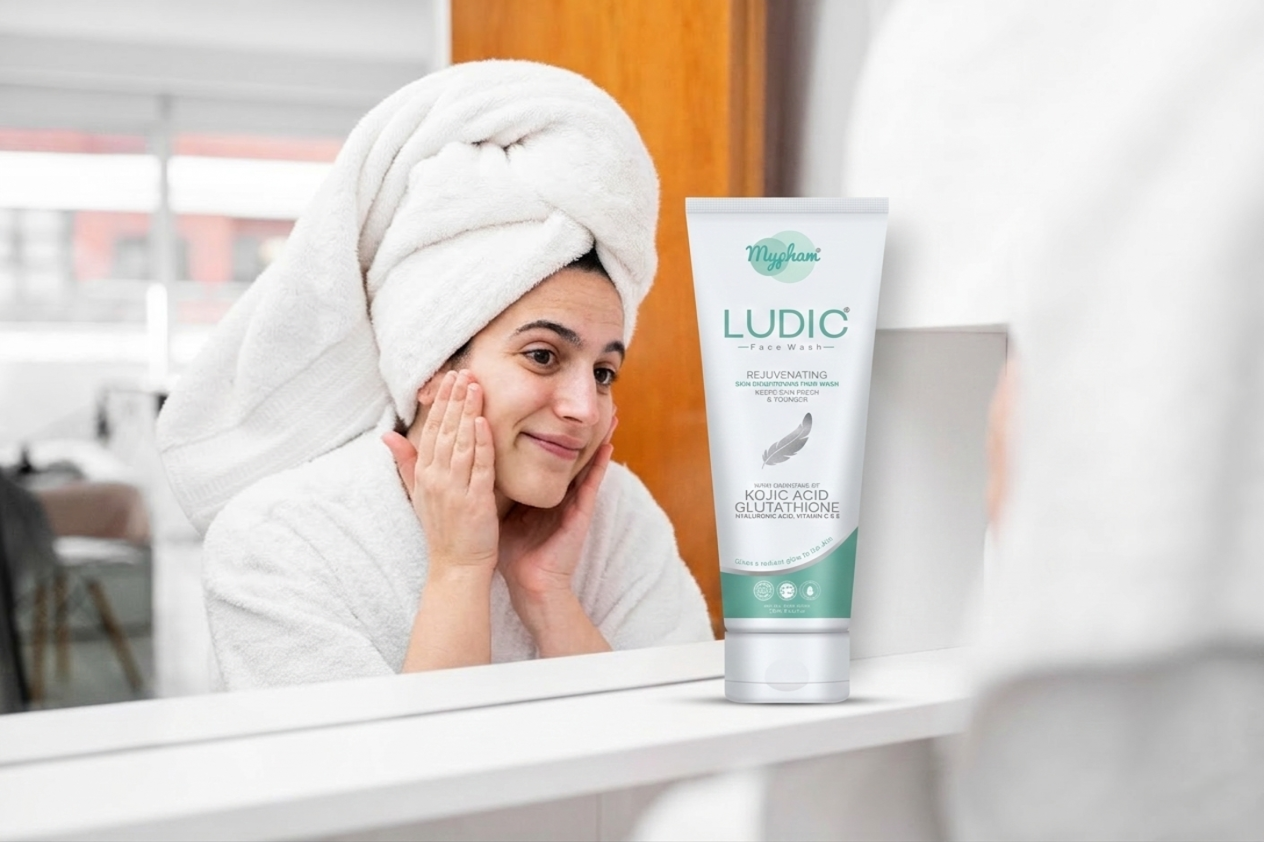

If your skin often looks dull, rough, or uneven despite regular face washing, the problem may not be dirt — it is often dead skin buildup. Remove dead skin cells naturally form as part of the skin renewal process, but when they are not removed properly, they can block pores, reduce glow, and make skincare products less effective.
The good news is that removing dead skin from your face does not require harsh treatments or expensive procedures. With the right methods, proper frequency, and gentle care, you can improve your skin’s texture and appearance safely at home.
In this guide, you’ll learn what dead skin is, why it accumulates, and step-by-step ways to remove it, explained in simple language and backed by skin science.
What Is Dead Skin and Why Does It Build Up?
Your skin constantly renews itself through a process called cell turnover, where new cells replace old ones. On average, this cycle takes about 28–40 days, depending on age and skin type.
Dead skin builds up when this natural shedding process slows down.
Common reasons include:
- Aging: Cell turnover slows with age, allowing dead cells to remain longer
- Dehydration: Dry skin cannot shed dead cells efficiently
- Sun exposure: UV damage thickens the outer skin layer
- Pollution: Dust and toxins clog pores and trap dead cells
- Improper skincare: Over-cleansing or harsh products damage the skin barrier
When dead skin accumulates, it can make your face look dull, rough, and uneven.
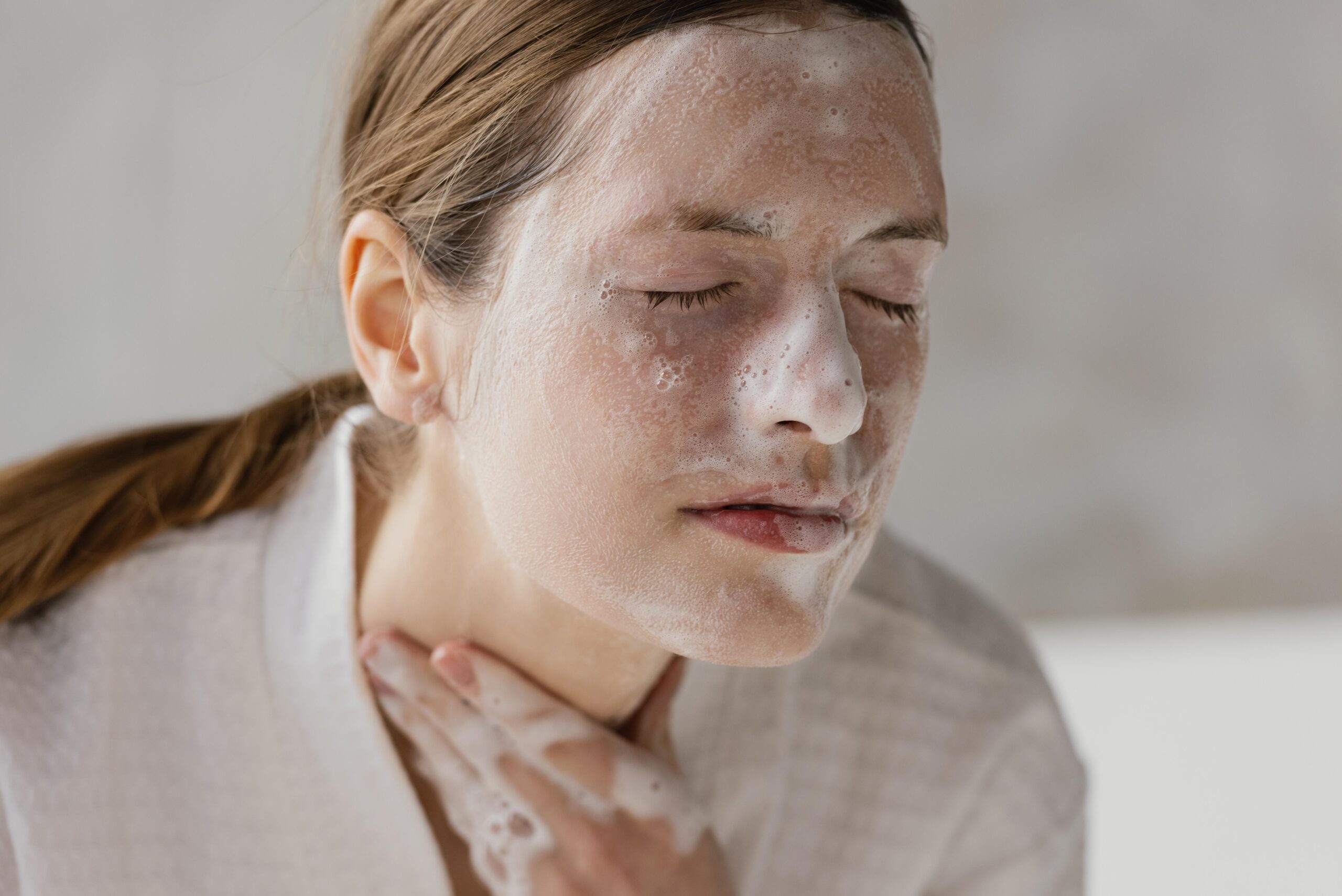
1. Gentle Cleansing: The Foundation Step
Before you even think about exfoliating, clean skin is key. Cleansing removes dirt, oil, sweat, and makeup, which can block pores and make exfoliation less effective. If you skip this step, even the best scrub or chemical exfoliant may not work properly.
How to do it:
- Use a mild, sulfate-free cleanser: Harsh soaps strip natural oils and make skin sensitive. Choose gel or cream cleansers for your skin type.
- Wash with lukewarm water: Hot water can dry out skin; cold water doesn’t cleanse properly.
- Avoid scrubbing with towels: Pat dry gently to prevent micro-tears in the skin.
Why it matters:
Cleansing helps exfoliants work better and reduces irritation. It also sets a clean canvas for your moisturizer and other skincare products to absorb fully. Think of it as preparing your skin for the real work.
Pro tip: If you wear makeup or sunscreen, double-cleansing (first with an oil-based cleanser, then a gentle face wash) ensures no residue is left behind.
2. Physical Exfoliation
Physical exfoliation removes dead skin manually, using tiny particles or gentle friction. It can give instant smoothness but must be done carefully to avoid damaging your skin barrier.
Safe examples include:
- Soft facial scrubs with natural ingredients like jojoba beads
- Finely ground oatmeal mixed with honey or yogurt for sensitive skin
How to exfoliate properly:
- Apply to damp skin, not dry skin, to reduce friction
- Massage gently in circular motions for 20–30 seconds
- Avoid pressing hard; let the particles do the work
- Rinse thoroughly with lukewarm water
Frequency: Once or twice a week depending on skin type.
Why you should be cautious: Over-scrubbing can lead to:
- Redness and irritation
- Micro-tears in the skin
- Increased sensitivity and inflammation
Extra tips:
- Choose scrubs with smooth, round particles instead of harsh jagged ones
- Never use body scrubs on the face, they are too abrasive
3. Chemical Exfoliation
Chemical exfoliants work differently: instead of scrubbing, they dissolve dead skin cells from the surface. This makes them ideal for even sensitive or acne-prone skin when used correctly.
Common types:
- AHA (Alpha Hydroxy Acids) like glycolic or lactic acid – best for dry, dull, or uneven skin
- BHA (Beta Hydroxy Acid) like salicylic acid – penetrates pores, ideal for oily or acne-prone skin
Benefits:
- Smoothens skin texture
- Improves natural glow
- Helps skincare products penetrate better
How to use safely:
- Start with a low concentration to see how your skin reacts
- Use at night to avoid sun sensitivity
- Always apply sunscreen during the day
Pro tips:
- Never combine multiple strong chemical exfoliants on the same day
- Avoid using chemical exfoliants if your skin has open wounds or severe acne
Chemical exfoliation is gentler and more controlled than scrubs and can show visible results faster, but requires consistency and patience.
Try our product for best results:- Ludic Vitamin C Face Wash for Skin | Face Wash for Men and Women with Vitamin C and E
4. Natural Home Remedies for Dead Skin Removal
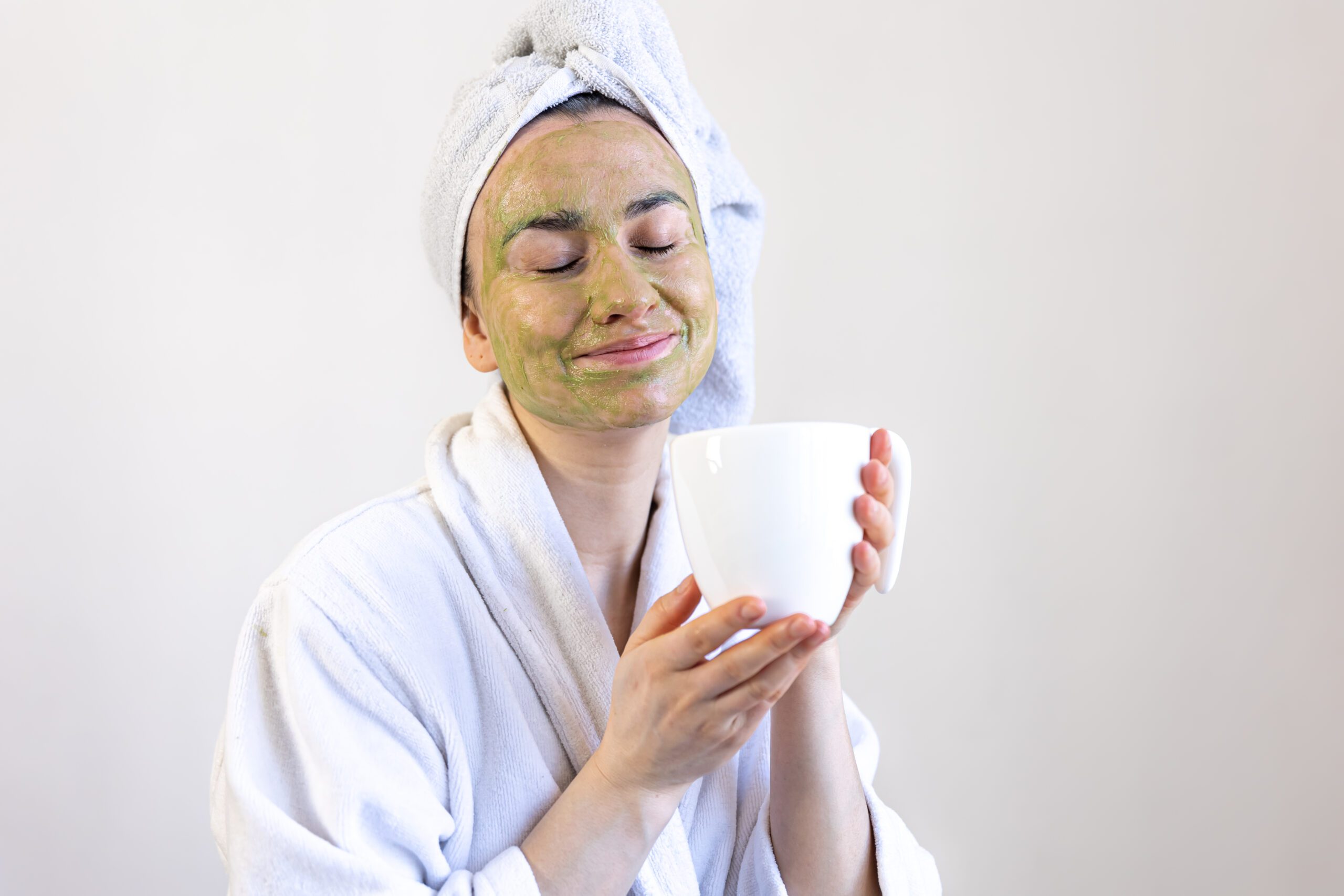
Natural remedies can provide gentle exfoliation and hydration at the same time. These are perfect if you prefer DIY methods or have sensitive skin.
Honey and Sugar
- Sugar acts as a physical exfoliant, gently scrubbing away dead cells
- Honey moisturizes, soothes, and provides antibacterial benefits
- Use once a week for smooth, soft skin
Yogurt and Oatmeal
- Yogurt contains lactic acid, a mild AHA that dissolves dead cells
- Oatmeal reduces irritation and inflammation
- Apply as a mask for 10–15 minutes and rinse with lukewarm water
Tips:
- Always patch-test if you have sensitive skin
- Use organic ingredients for best results
- Avoid overusing; 1–2 times a week is enough
Natural remedies are not instant but safe, cost-effective, and nourishing for long-term skin health.
5. Facial Steam: Optional but Helpful
Facial steaming helps loosen dead skin, unclog pores, and improve blood circulation, preparing the skin for exfoliation.
How to steam safely:
- Steam for 5–7 minutes only
- Keep a safe distance from hot water to avoid burns
- Apply moisturizer immediately after steaming
Who should avoid steaming:
- People with rosacea, eczema, or highly sensitive skin
- Those with active breakouts or open wounds
Steaming is optional but can enhance the effectiveness of exfoliants and masks.
6. What to Do After Removing Dead Skin
After exfoliation, skin becomes temporarily more sensitive. Post-care is crucial to prevent damage.
Always follow with:
- Gentle moisturizer to restore hydration
- Sunscreen during the day to protect from UV damage
- Minimal makeup for a few hours to avoid irritation
Proper aftercare helps repair the skin barrier, reduce redness, and maintain smoothness.
Pro tip: Look for moisturizers with ceramides, hyaluronic acid, or aloe vera for soothing and hydration.
7. Common Mistakes to Avoid
Even with the best methods, mistakes can undo your efforts:
- Exfoliating daily (causes barrier damage)
- Using body scrubs on the face (too harsh)
- Mixing multiple exfoliating acids (can burn skin)
- Skipping sunscreen after exfoliation (causes UV damage)
Remember: healthy skin improves through gentle consistency, not aggressive routines.
8. How Often Should You Remove Dead Skin?
Frequency depends on skin type and sensitivity:
| Skin Type | Recommended Frequency |
|---|---|
| Dry | Once a week |
| Oily | 1–2 times per week |
| Sensitive | Every 10–14 days |
If irritation occurs, reduce frequency and opt for gentler methods.
FAQs
Q1. Can I remove dead skin from my face every day?
No. Daily exfoliation weakens the skin barrier, leading to dryness, redness, and sensitivity.
Q2. Does removing dead skin make skin fair?
No. Exfoliation removes dullness, revealing your natural healthy glow, but it does not alter skin color.
Q3. Can dead skin cause acne?
Yes. Dead skin can clog pores and mix with sebum, triggering breakouts. Exfoliation helps prevent this.
Q4. Is exfoliation safe for sensitive skin?
Yes, but stick to gentle physical scrubs or mild chemical exfoliants, and exfoliate less frequently.
Conclusion
Removing dead skin from your face is an essential step toward healthier, smoother skin. The key is to be gentle, consistent, and informed. Whether you choose mild scrubs, chemical exfoliants, or natural remedies, always prioritize your skin’s health over quick results.
When done correctly, exfoliation improves texture, enhances glow, and allows skincare products to work more effectively.
Skin type and results may vary. For persistent or medical skin concerns, consult a qualified skincare professional.